What Is Medicare GLP-1 Coverage?
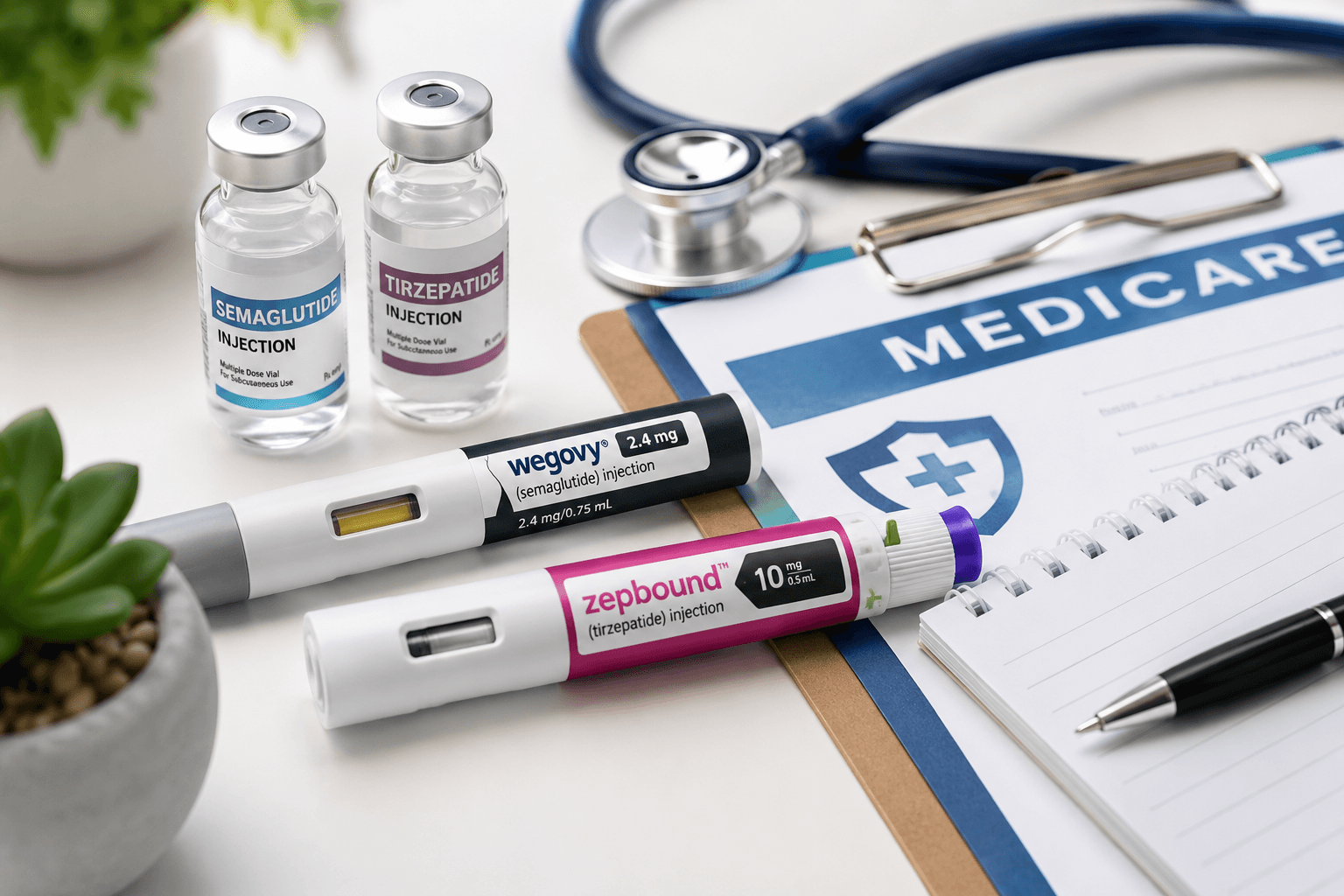
Medicare GLP-1 coverage is becoming one of the most talked-about healthcare topics of 2026. As medications like Wegovy and Zepbound continue gaining popularity for weight management, many Medicare beneficiaries are wondering whether these treatments will become more affordable and accessible.
Historically, Medicare has restricted coverage for medications prescribed solely for weight loss. However, new developments from the Centers for Medicare & Medicaid Services (CMS) could create temporary opportunities for eligible beneficiaries to access these medications through a pilot program known as the Medicare GLP-1 Bridge.
If you are currently enrolled in Medicare or approaching Medicare eligibility, understanding these changes could help you make more informed healthcare and prescription drug coverage decisions.
For official Medicare prescription drug coverage information, visit Medicare.gov.
Why GLP-1 Medications Are So Popular
GLP-1 medications have transformed how healthcare providers approach obesity treatment and weight management.
These medications work by mimicking naturally occurring hormones that regulate appetite, digestion, and blood sugar levels. Many patients experience meaningful weight loss while also improving conditions commonly associated with obesity.
Common GLP-1 Medications
- Wegovy (semaglutide)
- Zepbound (tirzepatide)
- Ozempic (semaglutide)
- Mounjaro (tirzepatide)
Why Seniors Are Interested in GLP-1 Medications
Obesity is linked to numerous chronic health conditions, including:
- Heart disease
- Type 2 diabetes
- High blood pressure
- Sleep apnea
- Stroke
According to the National Institute on Aging, maintaining a healthy weight can improve mobility, reduce health risks, and enhance quality of life for older adults.
As awareness grows and new medications enter the market, demand continues to increase among Medicare beneficiaries.
1. The Bridge Program Begins in 2026
One of the most significant developments is the launch of the Medicare GLP-1 Bridge Program.
The program is expected to begin on July 1, 2026, and continue through December 31, 2027.
The purpose of the bridge program is to provide temporary access to certain GLP-1 medications while lawmakers and regulators continue evaluating long-term Medicare coverage policies for obesity treatment.
For many beneficiaries, this could represent the first realistic opportunity to obtain coverage for medications that were previously inaccessible due to Medicare restrictions.
2. Eligibility Requirements May Apply
Not every Medicare beneficiary will automatically qualify for Medicare GLP-1 coverage.
Current information suggests that beneficiaries may need to meet specific medical criteria and obtain prior authorization before receiving approval.
Potential Eligibility Requirements
- Enrollment in a Medicare Part D plan
- Enrollment in a Medicare Advantage Prescription Drug Plan (MA-PD)
- Physician documentation supporting treatment
- Meeting BMI requirements
- Having obesity-related health conditions
- Approval through the plan’s prior authorization process
Because program requirements may vary, beneficiaries should work closely with their physician and Medicare advisor to determine eligibility.
3. Prior Authorization Is Still Important
Even if access expands, prior authorization requirements are expected to remain an important part of the approval process.
Insurance carriers and prescription drug plans often require documentation showing that treatment is medically necessary.
Information Your Doctor May Need to Provide
- Current weight and BMI
- Medical history
- Existing health conditions
- Previous weight-loss efforts
- Treatment goals
Preparing this documentation early may help reduce delays when seeking approval.
For additional information about obesity treatment advocacy and coverage issues, visit the Obesity Action Coalition.
4. Costs Could Be Much Lower
One reason Medicare GLP-1 coverage is generating so much attention is the potential reduction in out-of-pocket costs.
Without insurance coverage, medications such as Wegovy and Zepbound can cost hundreds or even thousands of dollars per month.
Under the Medicare GLP-1 Bridge Program, some eligible beneficiaries may pay approximately $50 per month for covered medications.
Actual costs will vary based on plan design, eligibility requirements, and future program guidelines, but the potential savings could be substantial.
5. Reviewing Your Medicare Plan Matters More Than Ever
As Medicare GLP-1 coverage evolves, reviewing your Medicare plan each year becomes increasingly important.
Not all plans cover medications in the same way.
Key Differences Between Medicare Plans
- Drug formularies
- Prior authorization requirements
- Step therapy requirements
- Copayments
- Pharmacy networks
A plan that worked well last year may not provide the most cost-effective access to GLP-1 medications in the future.
This makes annual Medicare reviews more important than ever.
Questions to Ask Before Choosing a Medicare GLP-1 Plan
Before selecting or changing Medicare plans, consider asking the following questions.
Questions for Your Doctor
- Is a GLP-1 medication appropriate for my health needs?
- Which medication would you recommend?
- What documentation may be required?
Questions for Your Medicare Advisor
- Is my medication on the plan formulary?
- What prior authorization requirements apply?
- What are my estimated out-of-pocket costs?
- Are there alternative plans available that may better fit my needs?
Working with a knowledgeable Medicare advisor can help prevent costly surprises and ensure you understand your coverage options.
Frequently Asked Questions About Medicare GLP-1 Coverage
Will Medicare cover Wegovy in 2026?
Some eligible Medicare beneficiaries may gain access to Wegovy through the Medicare GLP-1 Bridge Program beginning in July 2026. Coverage requirements and eligibility rules may apply.
Will Medicare cover Zepbound in 2026?
Coverage may be available for eligible beneficiaries who meet medical criteria and obtain any required prior authorization approvals.
Who qualifies for Medicare GLP-1 coverage?
Eligibility may depend on factors such as Medicare Part D enrollment, BMI requirements, obesity-related health conditions, and physician documentation.
How much could Medicare beneficiaries pay for GLP-1 medications?
Early information suggests some beneficiaries could pay approximately $50 per month, although actual costs may vary.
Do all Medicare plans cover GLP-1 medications?
No. Coverage varies by carrier, plan, formulary, and prescription drug benefit structure.
Should I switch Medicare plans to get GLP-1 coverage?
Possibly. Reviewing plan formularies and prescription drug coverage each year can help ensure you have access to the medications you need.
Get Help Understanding Your Medicare Options
Medicare rules, prescription drug formularies, and coverage requirements can be complicated—especially as Medicare GLP-1 coverage continues to evolve.
At ICT Health Insurance, we help individuals compare Medicare plans, understand prescription drug coverage, and make informed enrollment decisions based on their healthcare needs and budget.
Whether you’re evaluating Medicare Advantage plans, Part D prescription drug coverage, or potential GLP-1 medication coverage, our team is here to help.
Ready to review your Medicare options?
Call ICT Health Insurance at (316) 440-6111 or Contact Us to speak with a licensed Medicare advisor. We’ll help you compare plans, understand prescription drug coverage, and determine whether Medicare GLP-1 coverage may fit into your healthcare strategy for 2026 and beyond.